 Skip to content


Rental garden maintenance needs a clear agreement about everyday care, repairs and changes. “The tenant maintains the garden” is often too vague. Before anyone moves in, explain which jobs you expect, who handles larger work and how to report problems.
In practice, a useful arrangement should fit the actual garden. A small lawn and patio require a different approach from mature trees, extensive hedges or shared grounds. The aim is to keep the space safe and reasonably maintained without expecting tenants to become professional gardeners.
Start with the garden you are actually letting
Walk through the outside space before preparing the tenancy documents. Identify the boundaries, gates, paths, steps, lawn, beds, sheds and any equipment supplied. Check who owns adjoining fences and whether neighbours have access rights or share communal areas.
Next, photograph the garden at check-in, including existing worn surfaces, sparse lawn patches and damaged fencing. Also record the season. A shaded garden photographed in November will not look like the same garden in June, and a fair comparison needs that context.
Make sure any description in the listing matches what the tenant can use. For instance, do not present a shared garden as private, and clearly identify a locked shed that remains excluded.
Define routine rental garden maintenance
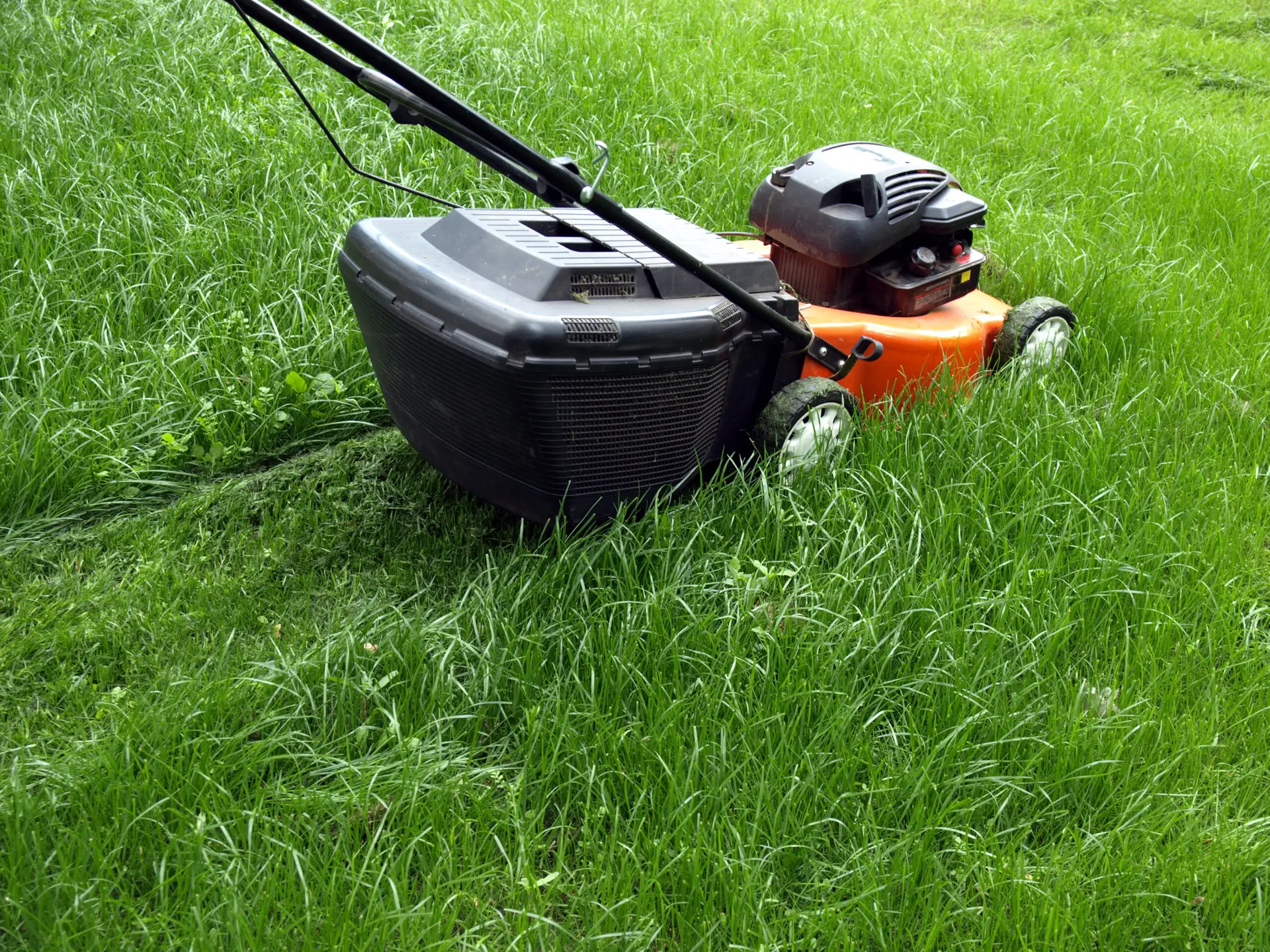
Where the tenancy makes the tenant responsible for ordinary rental garden maintenance, describe manageable tasks rather than demanding an undefined “perfect condition”. Depending on the property, this might include mowing the lawn, removing ordinary weeds, clearing litter and keeping accessible paths tidy.
Agree practical details:
- Which areas does the tenant look after, and which remain the landlord’s responsibility?
- Will you supply suitable equipment, and where can the tenant store it?
- Who arranges garden waste disposal?
- What should the tenant do if equipment stops working?
- Is an existing gardener continuing, and who pays under the agreed arrangement?
However, do not assume every applicant can undertake demanding physical work. Discuss a realistic arrangement consistently and consider individual needs. As a result, a simpler planting scheme or an agreed professional service may make the property easier to manage.
Separate garden maintenance from repairs
A garden clause cannot remove the landlord’s legal duties. Government guidance on repairs explains that landlords cannot require tenants to undertake repairs that are the landlord’s responsibility. Therefore, assess safety and repair issues separately from everyday tidying.
Similarly, the tenant should report a loose step, unstable wall or damaged access route so you can investigate it. Do not tell a tenant to climb a tall tree, use unfamiliar cutting machinery or tackle an unsafe structure simply because the tenancy mentions gardening.
For mature trees, substantial hedge work or specialist treatment, establish who will appoint an appropriate contractor. Work on protected trees may also need permission. Check the relevant council’s requirements before instructing significant work.
Agree a process for garden changes
Tenants may want to add a vegetable bed, install play equipment or replace plants. A written request should explain the proposed change, any fixings, responsibility for ongoing care and what will happen at the end of the tenancy.
Avoid an informal “that should be fine” where a change involves permanent alterations. Instead, confirm exactly what you have agreed. Equally, do not promise that the tenant must later remove every approved improvement: agree the end position when granting consent.
For example, allowing a freestanding planter may need little discussion. Installing a large structure or altering drainage deserves a much more detailed assessment.
Keep inspections and end-of-tenancy decisions fair
During an agreed inspection, note specific issues and send a clear follow-up. “Please clear the blocked path” is more useful than “the garden is unacceptable”. Give a reasonable opportunity to respond and distinguish slow seasonal growth from neglect.
If you propose a deposit deduction, evidence matters. The Deposit Protection Service’s guidance on reasonable claims explains the importance of fair wear and tear and avoiding betterment. In other words, a landlord should not use a tenancy deposit to fund an upgrade from an ordinary garden to a landscaped one.
Finally, keep the original condition report, correspondence, check-out photographs and any proportionate contractor quotation together. A dated record of what actually changed is more helpful than assumptions about how a garden should look.
Make rental garden care easy to follow
Give the tenant a short garden care note alongside the relevant tenancy terms. Include reporting details and any essential instructions for supplied equipment. Review the rental garden maintenance arrangement if circumstances or the garden itself change.
ABC Gone’s landlord services can help as part of preparing your property for letting. Book a property valuation to talk through presentation, garden responsibilities and the management support that fits your property.
Sources and editorial references: GOV.UK private renting repairs | DPS reasonable deposit claims.